Overcoming Social Silos
 This being cross-posted from Ogilvy’s Fresh Influence blog.
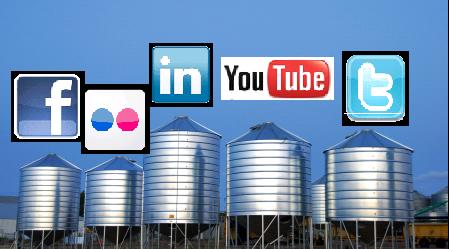
Silos have long been bemoaned as preventing the optimization of everything from enterprise resource planning to cohesive customer experience. If Phase 1 of corporate social media development is scattered maverick experimentation and Phase 2 is creating integrated strategy, chances are Phase 3 is likely defining silo-based roles & responsibilities. For example, Corp Comm could own Facebook, Consumer Marketing owns Twitter, Care runs branded communities, and Recruiting runs LinkedIn (although we often see platform ownership split by business unit focus in marketing as well) . There is a very real reason for doing this. Clear ownership assures great responsiveness and allow for organizations to get appropriate social staffing and funding approved. It is also true that the different social platforms have different audiences and dynamics (what & how you share) that are likely more appropriate for one part of your org than another. It is safe to assume that this is not going away…so let’s make it work.
 Whenever you get to the point of splitting platform responsibility between different departments, you run the risk of creating a new set of silos. 6 months in, you may find your boss praising what you’re doing in LinkedIn and questioning the way Facebook is being run. You may read something posted on Twitter and realize it would have been perfect for you to capture video around for the YouTube & Facebook audience if only you’d known! Here are 5 suggestions to systematize collaboration and prevent those silo walls from re-growing around you:
1) Group Governance – If you are not installing a hierarchical leader over your distributed channel plan, we do recommend that governance over decisions like adding channels, brand voice, changing policies, or cross-platform initiatives be discussed at a cross functional steering committee. This can successfully be done in a somewhat informal manner or highly formal group with a charter, etc. But the discussion that these decisions will spark can create trust and shared understanding among the partners. It is likely that your friends from legal and HR should be a part of this as well.
2) Share Measurement – As a platform manager, it is easy to dive a mile deep on your own metrics and have only a glancing understanding of anyone else’s. Because metrics are guideposts to measure progress on a strategy, they are a great way to re-ground your colleagues in exactly the role your platform plays in your company’s success. A monthly measurement snapshot that you put together with the rest of your council is a great way to share learnings, troubleshoot issues, and will create a great artifact to be circulated around the company or management team.
3) Collaborative Content Plannng – Managing a social platform means taming the beast’s insatiable hunger for content. Content is gold and chances are, it is often appropriate across multiple channels. By sharing conversation calendars – not just at the top of every month but as news happens and circumstances change will be the ultimate show of respect for your colleagues and the customer experience and will futher support the trust you are building.
4) Fight Social Silos with Internal Social Media – Beth Kanter wrote a great post on how silos impact non-profit social media where she expresses the social media mandate to be able to “Work Wikily“. You may not be able to change your whole organization, but sharing your planning docs and measurement documents on a wiki, discussing ad hoc opportunities on Yammer, or even using a shared document platform to edit the next version of your employee policess help bake collaboration into your working group.
5) Evolve Together – The plan that you created in 2009 or 2010 may no longer be working or at the very least may have room for optimization. Instead of firing suggestions over the wall, institutionalize evolution around your plan. Quarterly meetings of your working group that are either offsite to at least lengthier will help you review progress and ask the tough questions about what needs to change and when. Going through that process together can foster strategic discussion and veer away from channel analysis or criticism becoming a land grab.
Go forth and bust those silos for the good of your customer and your own career! If you have other tools that you have seen successfully work, please add in the comments.
 HAPPY NEW YEAR! I am posting this on the eve of potentially my least favorite New Year’s ritual – the first week of the year freakout. The last 2 months of every year are traditionally a race to the finish. The adrenaline of 2011 planning + meeting end of year goals + an endless stream of parties is an intoxicating combination that leaves us all ready for a long winter’s nap. Then we wake up and…
 The folks at Whale Shark Media were kind enough to invite me to join the esteemed Dr.
  Last week I completed my
  You’ve successfully passed through “phase 1” of your company’s social media evolution where just a few expert voices represented your brand online. Now you are handing over the keys to a larger, more representative group of speakers. How can you make sure that this proliferation increases, not fragments, your impact online? How do you prevent someone going off the reservation? Through guardrails, governance, and training (oh my!). Here’s a checklist from basic fundamental to advanced degree: